Small Island – With Big Impact
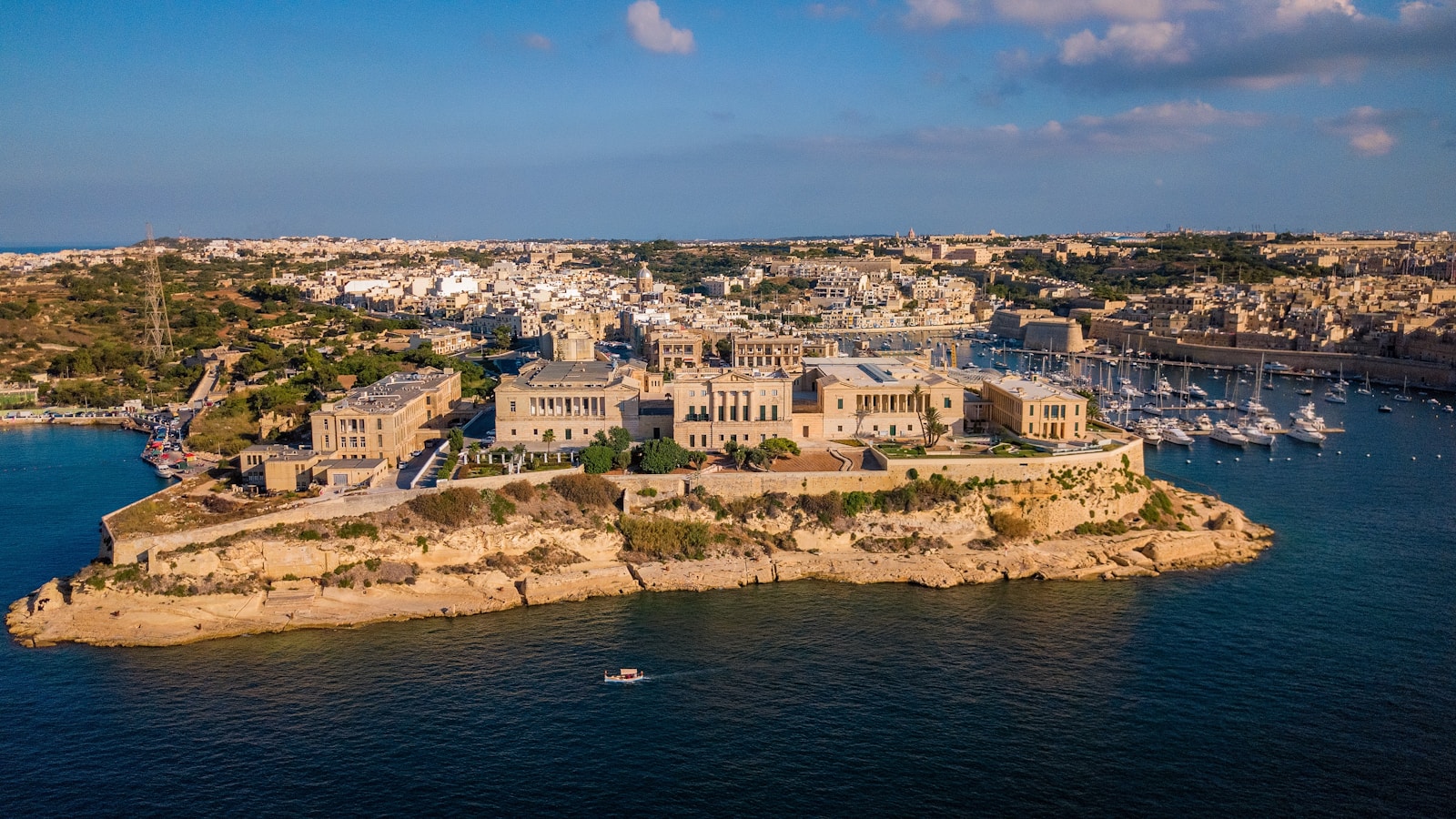
For centuries, Malta’s position at the centre of the Mediterranean ensured that it punched above its weight. However, the global changes of the past decades made it clear that this resource-poor island needed to look beyond manufacturing and tourism.
It had a well-educated, English-speaking population, and a stable political and economic outlook: diversification into services was the clear way to add value to its operations.
Financial services were the obvious sector, thanks to the factors above, but success depended heavily on key pillars: innovative legislation to ensure a robust framework; solid regulation; and the creation of an ecosystem to support more and more activities.
The legislative initiative in the last years of the 20th century crucially won the support of both sides of the political spectrum, and to this day this remains one of the island’s key assets as it continues to streamline existing laws and diversify into new sectors such as aviation and family offices.
By 2002, the Malta Financial Services Authority was set up as the regulator, which took on the important role of consumer protection, the integrity of financial markets, financial stability carried out in collaboration with the Central Bank of Malta, and the supervision of all financial services activities.
It was not long after that the jurisdiction was ready to look beyond its shores to attract international names and individual investors. Promoting its visibility and strengthening its brand became an important step in its development, one which was taken on by FinanceMalta in 2007 as a public-private initiative.
Indeed, having everyone pulling on the same rope – from partisan politics to the private sector and the regulator – helped Malta to develop into a financial services jurisdiction that was seeking its own niche to complement the established ones in other countries.
What were Malta’s unique selling points? By then, the gaming industry had established a foothold in the island, attracting many expatriates thanks to its Mediterranean lifestyle and safe environment. Accession to the EU in 2004, followed by the eurozone in 2008, added to its appeal as a jurisdiction for services that could be extended to other EU member states.
Malta was ready for another crossroads in its history. More and more companies – and individuals – came to work on the island, which drove demand for high-end rental properties and offices. Meanwhile, the ecosystem of legal firms, tax advisers and consultants grew steadily.
The time was ripe for financial services to flourish. For example, within a relatively short time, as a result of legislation enacted in 2009 the island welcomed captive insurance companies, attracted by the concept of protected cells. Various other regulatory changes enhanced the island’s offering, with the introduction of the Virtual Financial Assets Act in 2018 bringing the island to the forefront of innovation.
The Act was testament to Malta’s dynamism but also showed that the jurisdiction was aimed at quality and not quantity. The sector was aimed at those who wanted a well-regulated and supervised industry, and once the right laws were in place, the rest – as they say – is history.
Over the past years, the regulator’s early foray into digital assets made it a leader in this field: as a result, for example, Malta became the home of the biggest Alternative Investment Fund investing in this asset class.
This is not to say that the jurisdiction could afford to be complacent. The Malta Business Registry was set up to take over company registrations, while the Malta Digital Innovation Authority helped to put the island on the tech map. The Financial Intelligence Analysis Unit took an active role to enforce against financial crime.
Various initiatives were undertaken to keep the jurisdiction’s offering fresh and enticing. Take 2025: just in one year the regulator, the Malta Financial Services Authority, launched frameworks for new products, such as Notified PIFs – which have the added advantage of being self-managed. It also set up the framework for special limited partnerships offering an appealing opportunity, in particular for private equity funds, the Family Office regime and tokenisation.
It is not only in the regulatory sphere that the country had evolved – its rising GDP making it one of the stars in the EU. There were other performance indicators to take note of: low unemployment; increasing female participation; better air connectivity; and enhanced logistics and transhipment; to name but a few.
Even its banking system, once considered conservative, proved its worth: it remained solid in the face of crises such as the 2008 financial meltdown and even COVID-19. The future beckoned and once again, the unified and united approach paid off. The Malta Financial Services Advisory Council was set up four years ago, bringing together not only the government and regulatory bodies, but also private stakeholders and other public bodies, such as the Malta Tax and Customs Administration.
It looked at both the horizontal and vertical enablers of the sector, based on five key approaches: speed; standards; simplification; specialisation; and sustainability. The resulting masterplan laid out a comprehensive action plan aimed at reducing bureaucracy, digitisation, amending and drafting new legislation, simplification of reporting processes, standardisation of reporting requirements across regulatory bodies, as well as incentives to develop new sectors within the industry. A project management office ensures that progress is on track and that deadlines are met. It has turned into an impressive case study for how to achieve and manage change.
Apart from a number of quick-wins from its masterplan, studies have already been carried out to pave the way for aviation and aircraft leasing, and the development of Malta’s capital markets, particularly on attracting international listings to the Malta Stock Exchange.
These initiatives, for a sector that has already reached nearly 10% of the country’s value-added, have been complemented by work to get the ‘Malta message’ out internationally. Dozens of events every year are attended by FinanceMalta, which sets up a presence at each one that includes relevant private companies. It also organises an annual conference that has taken its place as the unmissable event on the island for all the stakeholders. Speakers represent some of the global leaders in this sphere, ensuring Malta a ‘place at the table’.
Meanwhile, international Memoranda of Understanding were signed on topics ranging from compliance to taxation, and from exchange of information to cross-border crime. These have helped the jurisdiction to enhance its brand as a trustworthy and reliable partner, all of which has enabled it to attract and retain key brands, while ensuring that it is well prepared for debates at EU and international level.
Centuries after it first made its mark as a safe harbour, Malta is once again punching above its weight, with a dedicated and committed financial services sector that is looking to the future with enthusiasm.